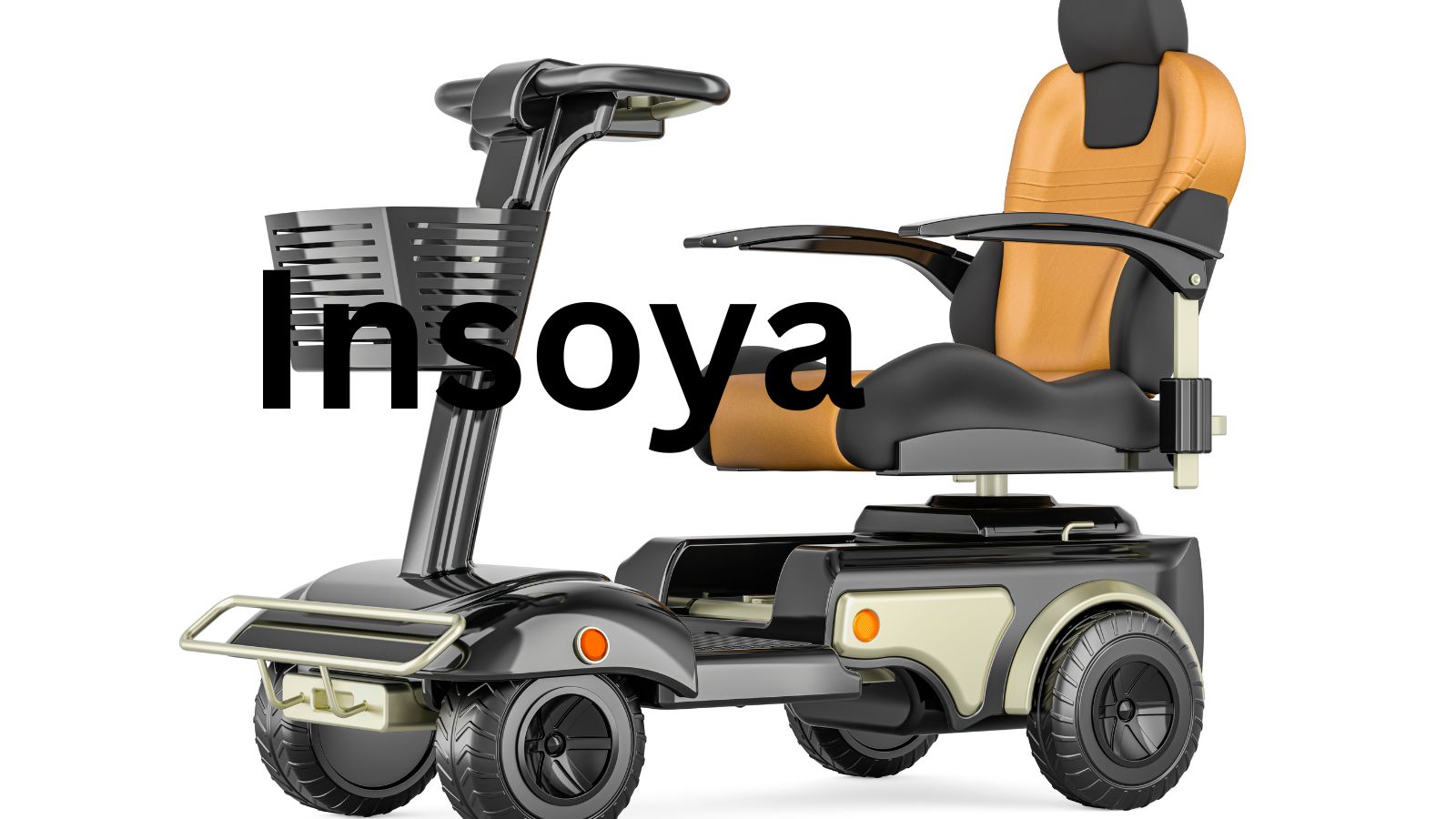
A standing mobility scooter lets you ride upright instead of seated, offering better visibility, easier transfers, and a more active posture for people who can bear weight but tire quickly. The eWheels EW-18 Stand N Ride is the best-known model in this category. This guide covers how these scooters work, who they suit, standout models, and what to check before you buy.
Most people picture a seated three- or four-wheel device when they hear “mobility scooter.” But there’s a smaller, faster-growing category built around a completely different idea: staying on your feet. A standing mobility scooter keeps you upright, which changes everything from how you see the road to how easily you step on and off.
If you follow the latest smart gadgets and mobility devices or read our hands-on product reviews, you already know how quickly personal transport tech is evolving. Stand-up mobility scooters sit right at that intersection of accessibility, engineering, and everyday practicality.
This guide breaks down what a standing mobility scooter actually is, how it works, which models lead the market, and how to choose the right one without wasting money.
What Is a Standing Mobility Scooter?
A standing mobility scooter is a powered personal transport device you operate while standing upright, rather than sitting in a seat. It combines the motorized wheels and handlebar controls of a traditional scooter with a standing platform and support structure that keeps you stable on your feet.
The core appeal is simple. Many people who need mobility help can still bear weight and stand for periods of time. Sitting all day isn’t ideal for them. A stand up mobility scooter offers movement and independence while keeping the body active and the eyeline higher.
You’ll see these devices described several ways depending on the brand and region:
- Stand-up mobility scooter
- Stand N Ride scooter
- Standing electric scooter for mobility support
- Mobility scooter stand up model
They differ from standard commuter electric scooters. A mobility-focused standing scooter prioritizes stability, lower speeds, wider platforms, and supportive handlebars over top speed or trick performance.
How Does a Standing Mobility Scooter Work?
The mechanics are straightforward, but the design details matter more than they do on a seated model.
You step onto a flat platform and grip a handlebar or control column. A twist throttle or thumb lever controls speed, while a hand brake or regenerative motor braking slows you down. An electric motor, powered by a rechargeable lithium or sealed lead-acid battery, drives one or more wheels.
The support structure is what separates a genuine standing mobility scooter from a basic kick scooter. Good models include:
- A wide, non-slip standing platform
- Adjustable-height handlebars for a natural upright posture
- A stable wheelbase, often with three or four contact points
- Padded support pads or a lean bar for balance
Speeds usually top out between 4 and 12 miles per hour, which keeps things safe on sidewalks and indoors. Range varies from 10 to 25 miles per charge depending on battery size and rider weight.
For readers who enjoy the engineering side of personal transport, our coverage of tracking and location technology shows how sensors and smart systems are working their way into modern mobility hardware too.
Who Should Use a Stand Up Mobility Scooter?
This category isn’t for everyone, and that’s the point. A standing mobility scooter fits a specific set of needs better than a seated one.
You may be a strong candidate if you:
- Can stand and bear weight but tire quickly when walking distances
- Want an active, upright posture rather than sitting all day
- Struggle with transfers in and out of a seated scooter
- Need a compact device for tight indoor spaces, shops, or warehouses
- Value better forward visibility in crowds or busy environments
People recovering from injury, workers who move across large facilities, and older adults who remain physically capable but lack stamina all tend to benefit. If balance is a serious concern or standing for even short periods is painful, a seated model or powered wheelchair is usually the safer choice.
A quick conversation with a physical therapist or occupational therapist helps confirm the right fit. The U.S. Food and Drug Administration’s guidance on powered mobility devices is a useful starting point for understanding safety classifications before you shop.
Standing Mobility Scooter vs. Seated Scooter: Which Is Right?
Choosing between standing and seated comes down to your body, your environment, and how you plan to use the device day to day.
| Factor | Standing Mobility Scooter | Seated Mobility Scooter |
| Posture | Upright, more active | Seated, restful |
| Visibility | Higher eyeline, better in crowds | Lower, seated eyeline |
| Transfers | Step on and off easily | Requires sitting and standing |
| Indoor maneuverability | Compact, tight turning | Larger footprint |
| Best for longer trips | Limited by standing stamina | Comfortable for extended use |
| Storage and transport | Often lighter and foldable | Bulkier, heavier |
The takeaway is simple. If you can stand comfortably and want mobility without losing your active posture, a stand-up model wins. If you need to rest your legs during use or travel long distances, a seated scooter serves you better.
Top Standing Mobility Scooter Models in 2026
The market is smaller than the seated segment, so a few models dominate the conversation. Here are the standouts worth knowing.
eWheels EW-18 Stand N Ride Mobility Scooter
The eWheels EW-18 Stand N Ride mobility scooter is the name most people search for, and for good reason. It pioneered the mainstream stand-and-ride format and remains the reference point for the category.
Its design centers on a padded standing platform with a supportive lean pad and adjustable handlebars. Riders appreciate the tight turning radius for indoor use and the reassuring stability at low speeds. The three-wheel layout keeps the footprint compact, making it practical for shops, offices, and home use.
What makes the EW-18 stand out is its dual-purpose approach. You can ride it standing for quick trips and errands, then use the seated posture support when you need a break. That flexibility is rare in this segment and explains its lasting popularity.
Compact Folding Stand-Up Models
A second group of scooters focuses on portability. These lightweight, foldable stand-up mobility scooters aim at travelers and urban riders who need to fold and stow the device in a car trunk or on public transport. They trade some stability and range for convenience, so check the platform width and weight capacity carefully.
Heavy-Duty Standing Scooters
At the other end, heavy-duty models offer wider platforms, higher weight capacities, and larger batteries. These suit larger riders or anyone who needs longer daily range. They’re less portable but far more capable for extended standing use.
When comparing options, read independent testing rather than marketing copy. Our product review section and broader tech coverage explain how to separate real-world performance from spec-sheet promises across personal transport devices.
Do You Need a Mobile Stand for Your Scooter?
A common point of confusion is the difference between a standing mobility scooter and a mobile stand for a scooter. They’re not the same thing.
A mobile stand for scooter use is an accessory. It’s a wheeled rack or holder that supports and moves a parked scooter, often used for storage, display, or maintenance. It doesn’t carry a rider. A mobility scooter stand up model, by contrast, is the ride itself.
If you’re shopping, make sure the listing clearly states you’re buying a rideable device and not a parking or storage accessory. The terminology overlaps enough that mistakes happen, especially on large marketplaces.
Standing Mobility Scooter Buying Guide
Before you spend money, run through this checklist. It saves you from the most common regrets.
Weight Capacity and Platform Size
Match the scooter’s rated capacity to your weight with a comfortable margin. A platform that feels cramped becomes tiring fast, so prioritize a wide, stable standing surface.
Battery Range and Charge Time
Estimate your typical daily distance and add a buffer. A scooter rated for 15 miles rarely delivers that in real use once you factor in inclines, rider weight, and cold weather. Check charge times too, since some batteries need six to eight hours for a full top-up.
Stability and Wheel Configuration
Three-wheel models turn tighter, while four-wheel setups feel more planted on uneven ground. Think about where you’ll ride most, indoors or outdoors, and choose accordingly.
Portability
If you’ll load the scooter into a car or take it on trips, weight and folding ability matter more than range. Some models break down into two or three manageable pieces.
Controls and Ergonomics
Adjustable handlebars, intuitive throttle placement, and responsive braking make daily use pleasant. Test the controls if you can, or read detailed reviews before committing.
Warranty and Support
Mobility devices earn their keep over years, not months. A solid warranty and accessible customer support are worth paying extra for. Reputable sellers make it easy to reach a real person, and you can always contact our editorial team if you want us to cover a specific model in depth.
Safety Tips for Riding a Standing Mobility Scooter
Standing changes your center of gravity, so a few habits keep you safe.
Start slow. Practice in a flat, open space before tackling ramps, thresholds, or crowds. Keep both hands on the controls and your feet planted firmly on the platform. Avoid steep inclines that a standing model isn’t rated for, and slow down well before turns to prevent tipping.
Check tire pressure and brakes regularly, charge the battery before it fully drains, and never overload the platform beyond its rated capacity. Wear supportive shoes with good grip, and if you ride outdoors near traffic, add lights and reflectors for visibility.
These devices are safe when respected. Most accidents come from rushing, overloading, or riding on terrain the scooter wasn’t built for.
Where Standing Mobility Scooters Are Headed
The stand-up segment is small but growing, pushed by smarter batteries, lighter frames, and rising demand for active-aging solutions. Expect better range, app-connected diagnostics, and more foldable designs as manufacturers borrow ideas from the wider electric scooter market.
For anyone tracking how new mobility companies are shaping this space, our startup and innovation coverage follows the brands turning fresh engineering into real products people can actually buy.
Frequently Asked Questions About Standing Mobility Scooters
What is a standing mobility scooter?
It’s a powered mobility device you ride while standing upright on a platform, rather than sitting. It suits people who can bear weight but tire quickly when walking.
Is the eWheels EW-18 Stand N Ride mobility scooter worth buying?
For most riders in this category, yes. The eWheels EW-18 offers a stable platform, tight turning, and the flexibility to ride standing or take a break, which makes it the benchmark stand-up model.
What’s the difference between a stand up mobility scooter and a regular electric scooter?
A stand up mobility scooter prioritizes stability, support, and low speeds for accessibility. A regular electric scooter focuses on commuting speed and range, with less emphasis on rider support.
Is a mobile stand for a scooter the same as a standing scooter?
No. A mobile stand for scooter use is a wheeled holder or storage rack for a parked scooter. A mobility scooter stand up model is the rideable device itself.
How far can a standing mobility scooter travel on one charge?
Most models cover 10 to 25 miles per charge, depending on battery size, rider weight, terrain, and temperature. Real-world range is usually lower than the advertised figure.
Are standing mobility scooters safe for older adults?
They’re safe for older adults who can stand and balance comfortably. Anyone with serious balance issues or pain when standing should consider a seated scooter and consult a therapist first.
Can I fold a standing mobility scooter for travel?
Some models fold or break down into pieces for car transport, while heavier-duty versions do not. If portability matters, confirm the folding mechanism and weight before buying.
How fast do standing mobility scooters go?
Most top out between 4 and 12 miles per hour, which keeps them safe for sidewalks, indoor spaces, and busy environments.
Final Thoughts
A standing mobility scooter is the right call when you can stay on your feet but need help covering distance. Models like the eWheels EW-18 Stand N Ride prove the format works, blending stability with an active, upright posture. Match the specs to your body and daily routine, respect the safety basics, and you’ll gain real independence without giving up movement.