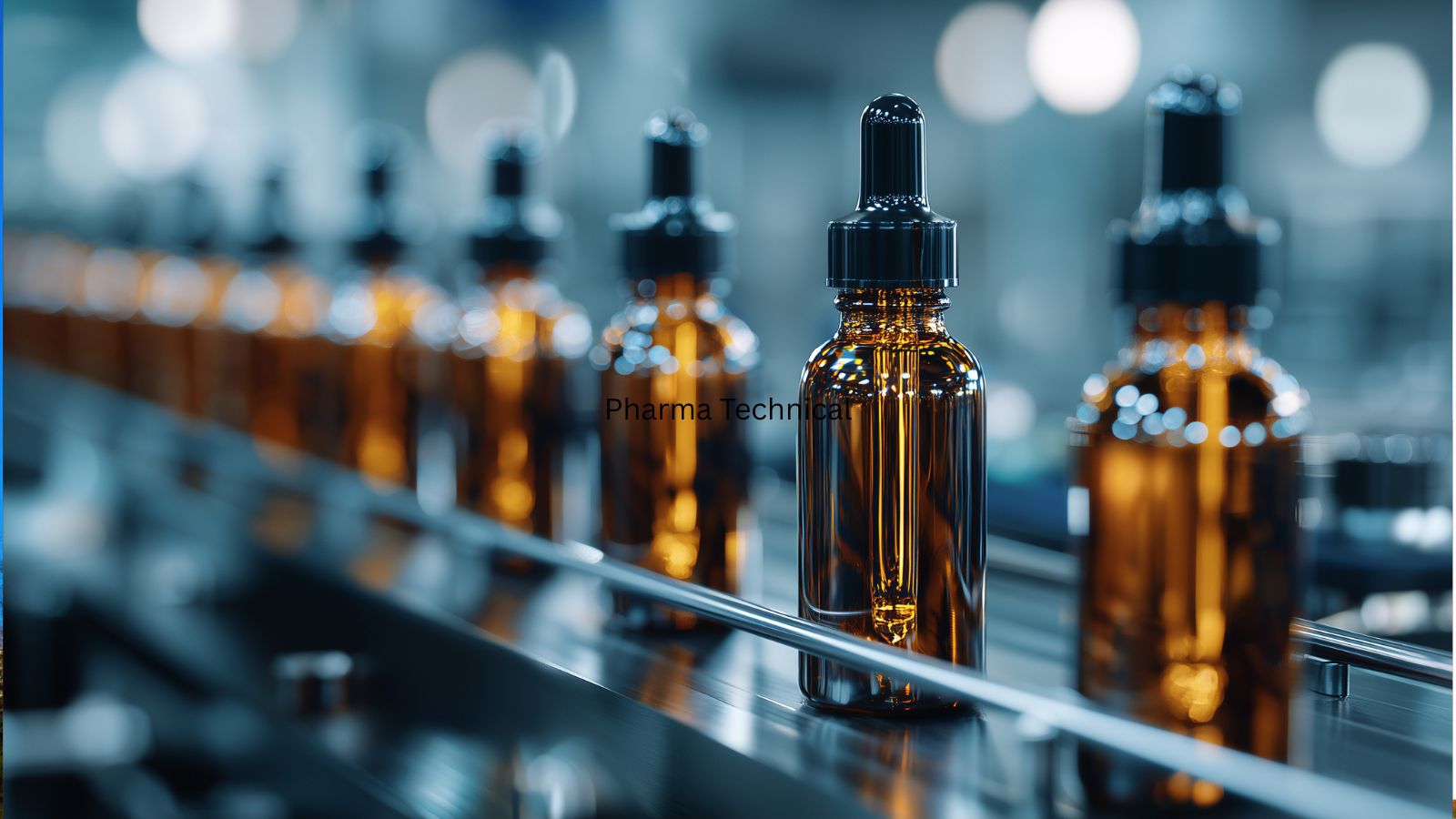
Pharma technical encompasses the scientific, operational, and developmental processes that transform drug candidates into safe, scalable, market-ready medicines. It spans pharma technical development, manufacturing operations, quality systems, and regulatory compliance—and it sits at the heart of how the global pharmaceutical industry delivers life-saving treatments at scale.
The word “technical” gets applied to a lot of things. In pharmaceuticals, it means everything. Every tablet that reaches a patient’s hands has passed through a complex network of formulation science, process engineering, analytical testing, and regulatory scrutiny. That network is what the industry calls pharma technical—and understanding it is increasingly relevant not just for scientists and executives, but for investors, health tech startups, and anyone tracking how biotech innovation moves from lab to shelf.
This guide breaks down what pharma technical actually involves, how pharma technical development and operations work in practice, and what trends—including AI-driven process optimization—are reshaping the field. Whether you’re analyzing a company like Marksans Pharma from a technical standpoint or evaluating where the next wave of pharmaceutical innovation is coming from, this is where to start.
What Does “Pharma Technical” Actually Mean?
Pharma technical is a broad term that refers to the science, engineering, and operational systems involved in developing, manufacturing, and maintaining pharmaceutical products. It covers everything from early-stage formulation research to the large-scale production processes that must be validated, documented, and approved by regulatory authorities like the U.S. Food and Drug Administration (FDA) or the European Medicines Agency (EMA).
In practice, pharma technical functions sit between pure R&D and commercial manufacturing. They answer the question: how do we make this drug work reliably, at scale, at acceptable cost, without compromising patient safety?
Key domains within pharma technical include:
- Pharmaceutical formulation development — designing the drug product (tablet, capsule, injection, etc.) for stability, bioavailability, and manufacturability
- Process development and scale-up — translating lab-scale chemistry into reproducible, industrial-scale manufacturing
- Analytical development — creating and validating methods to test identity, purity, potency, and quality
- Technical operations — managing the day-to-day execution of manufacturing processes under Good Manufacturing Practice (GMP) guidelines
- Regulatory affairs and CMC — compiling the Chemistry, Manufacturing, and Controls documentation required for drug approval submissions
These functions are deeply interconnected. A change in formulation can require a complete revalidation of analytical methods. A process scale-up issue can delay a regulatory submission by months or years. Pharma technical is where science meets execution—and where small decisions carry enormous downstream consequences.
Pharma Technical Development: From Molecule to Manufacturable Drug
What Is Pharma Technical Development?
Pharma technical development is the phase-by-phase process of taking a drug candidate—often just a promising molecule—and designing every aspect of its final product form. This includes how it’s formulated, how it’s made, how its quality is measured, and how all of that can be documented and reproduced at industrial scale.
According to the International Council for Harmonisation of Technical Requirements for Pharmaceuticals for Human Use (ICH), technical development should be guided by Quality by Design (QbD) principles—a systematic approach that builds quality into the product from the start, rather than testing quality in after the fact.
What Are the Key Stages of Pharmaceutical Technical Development?
Stage 1: Preformulation
Before a drug product can be designed, scientists must understand the drug substance itself. Preformulation studies examine the molecule’s physical and chemical properties—solubility, stability, permeability, and compatibility with excipients. These studies directly shape every formulation decision that follows.
Stage 2: Formulation Development
With preformulation data in hand, formulators design the drug product. For an oral solid dosage form like a tablet, this means selecting excipients, optimizing the blend, and evaluating dissolution profiles. For a biologic or injectable, it means designing a liquid or lyophilized formulation that keeps the active ingredient stable and effective through manufacturing, storage, and administration.
Stage 3: Process Development
Once a formulation is established, engineers develop the manufacturing process. This includes selecting and optimizing unit operations—granulation, compression, coating, filling, sterilization—and defining the critical process parameters that must be controlled to produce a consistently high-quality product.
Stage 4: Analytical Development and Validation
Every quality attribute of the drug product must be measurable. Analytical development teams design and validate test methods for appearance, assay, impurity profiling, dissolution, and microbiological testing, among others. These methods must be validated per ICH Q2(R1) guidelines before they can be used for regulatory submissions or routine batch release.
Stage 5: Scale-Up and Technology Transfer
Pharma technical development culminates in scale-up—moving from lab or pilot scale to full commercial production. This involves technology transfer to the manufacturing site, where process performance must be confirmed under real-world conditions. A poorly executed technology transfer is one of the most common reasons for manufacturing failures, batch rejections, and regulatory delays.
Pharma Technical Operations: Keeping the Machine Running
What Do Pharma Technical Operations Teams Do?
If pharma technical development is about building the system, pharma technical operations is about running it—day after day, batch after batch, at the quality level regulators and patients demand.
Technical operations teams are responsible for:
- Manufacturing execution — overseeing production processes and ensuring they stay within validated parameters
- Change control management — reviewing and approving any changes to materials, processes, equipment, or facilities that could affect product quality
- Deviation investigation and CAPA — identifying root causes when something goes wrong and implementing corrective and preventive actions
- GMP compliance — maintaining the documentation, training, and operational standards required under Good Manufacturing Practice regulations
- Continuous process verification — monitoring ongoing process performance to detect trends before they become problems
In large pharmaceutical companies, technical operations functions are often split across sites and organized into global networks. A drug manufactured in Ireland, packaged in Germany, and distributed in the United States must meet the same quality standards at every step—a feat that requires robust technical systems and clear cross-functional accountability.
How Does Technology Transfer Work in Practice?
Technology transfer in pharma technical operations refers to the structured process of moving a product or process from one site, team, or phase to another. This could mean transferring a new drug from development to a commercial manufacturing site, or moving an existing product from one facility to another.
Successful technology transfer requires detailed documentation (process descriptions, batch records, analytical methods), site capability assessment, qualification batches, and close collaboration between sending and receiving teams. The FDA and EMA both provide guidance on technology transfer expectations, and failures in this process are a significant source of manufacturing disruptions across the industry.
AI and Digital Transformation in Pharma Technical
The pharmaceutical industry has historically been cautious about adopting new technologies—for good reason. Regulatory frameworks are strict, and the consequences of failure are measured in patient harm, not just financial loss. But that caution is now being balanced against the competitive and operational advantages that artificial intelligence and digital tools are delivering.
How Is AI Being Used in Pharmaceutical Technical Development?
AI applications are emerging across the pharma technical value chain:
- Formulation design: Machine learning models can predict how changes in formulation composition will affect drug release, stability, and manufacturability—dramatically accelerating the design-of-experiments process.
- Process optimization: AI-driven process analytical technology (PAT) enables real-time monitoring and adjustment of manufacturing parameters, reducing variability and waste.
- Predictive quality systems: Anomaly detection algorithms flag deviations in manufacturing data before they lead to batch failures, enabling proactive intervention.
- Regulatory document automation: Natural language processing tools are being used to streamline the compilation of CMC sections for regulatory submissions—one of the most document-intensive processes in pharma technical operations.
For tech startups and investors watching the intersection of AI and life sciences, this is a high-growth space. Companies building AI-native solutions for pharmaceutical manufacturing and development are attracting significant venture capital attention. Explore more on AI innovation and industry disruption at JayTechDigital’s AI section for context on how this technology wave is playing out across sectors.
Marksans Pharma: A Technical Analysis Perspective
Marksans Pharma is one example of a company where pharma technical capabilities have been a central part of the investment thesis. The Indian generic drug manufacturer has invested heavily in its manufacturing infrastructure and regulatory approvals across the United States, United Kingdom, and European markets.
From a technical standpoint, Marksans Pharma operates multiple FDA-approved and MHRA-approved manufacturing facilities, giving it the capacity to serve regulated markets with complex formulation requirements. Its product portfolio spans extended-release, modified-release, and immediate-release solid dosage forms—all categories that require sophisticated pharma technical development and operations capabilities.
Analysts tracking Marksans Pharma technical performance often look at indicators like facility inspection outcomes, new product approval rates, and capacity utilization—metrics that reflect the strength of the underlying pharma technical infrastructure. Investors interested in the pharma sector can find broader reviews of technology-driven companies at JayTechDigital’s Reviews section.
What Are the Biggest Challenges in Pharma Technical Operations Today?
The pharmaceutical industry is operating under intensifying pressure from multiple directions. Understanding these challenges is essential for anyone working in or investing in pharma technical functions.
Supply Chain Fragility and Manufacturing Resilience
The COVID-19 pandemic exposed how concentrated and fragile global pharmaceutical supply chains had become. Many active pharmaceutical ingredients (APIs) are manufactured in a small number of facilities, often in Asia. A single disruption—a facility shutdown, a regulatory action, a geopolitical event—can cascade into drug shortages affecting millions of patients.
Pharmaceutical companies are now investing in supply chain diversification, nearshoring of manufacturing, and more sophisticated inventory management systems. These are fundamentally pharma technical challenges requiring process development, technology transfer, and operational excellence capabilities.
Regulatory Complexity and Data Integrity
Regulatory expectations around data integrity have tightened considerably since the FDA issued its draft guidance on the topic in 2016 and the EMA published its reflection paper in 2017. Data integrity requirements now touch every aspect of pharma technical operations—from how electronic batch records are maintained to how laboratory data is generated, reviewed, and archived.
Failures in data integrity remain one of the most common triggers for FDA warning letters and import alerts. Building robust data governance into pharma technical systems is no longer optional; it’s a baseline regulatory expectation.
Talent and Knowledge Management
Pharmaceutical manufacturing is a knowledge-intensive industry. A significant portion of critical process knowledge often resides in the heads of experienced scientists and engineers—and as that generation retires, companies face real risk of knowledge loss. Structured knowledge management, digital process documentation, and effective technology transfer practices are essential tools for addressing this challenge.
For a broader look at how startups are solving knowledge and workflow challenges with technology, see JayTechDigital’s Startups section.
The Future of Pharma Technical: Continuous Manufacturing and Beyond
Traditional pharmaceutical manufacturing is largely batch-based—materials move through a series of discrete unit operations, with testing and release between steps. Continuous manufacturing, by contrast, integrates those unit operations into a single, uninterrupted process, with real-time quality monitoring replacing end-of-batch testing.
The FDA has been actively encouraging adoption of continuous manufacturing since publishing its guidance in 2019, recognizing that it offers significant advantages in product quality, manufacturing flexibility, and supply chain resilience. Several major pharmaceutical companies—including Eli Lilly, Janssen, and Vertex Pharmaceuticals—have already received approvals for products manufactured via continuous processes.
Beyond continuous manufacturing, advanced therapy medicinal products (ATMPs)—including gene therapies, cell therapies, and RNA-based medicines—are creating entirely new pharma technical challenges. These products require novel manufacturing platforms, specialized analytical methods, and regulatory frameworks that are still evolving. The technical complexity of ATMP manufacturing is orders of magnitude higher than traditional small-molecule drugs, and the pharma technical talent and infrastructure required to support them represent one of the most significant development challenges the industry has ever faced.
For a deeper understanding of how emerging technologies are reshaping complex industries, the JayTechDigital Blogs section covers a wide range of technology and innovation topics relevant to readers tracking these shifts.
The Bottom Line on Pharma Technical
Pharma technical is the backbone of the pharmaceutical industry. Without robust formulation development, process engineering, analytical science, and operational discipline, no drug—regardless of how promising it looks in clinical trials—can reliably reach the patients who need it.
The field is evolving fast. AI-driven process development is compressing timelines. Continuous manufacturing is changing what a factory looks like. Advanced therapies are rewriting the rules of what’s technically possible. And digital transformation is touching every corner of pharma technical operations, from how batch records are managed to how regulatory submissions are assembled.
For investors, startups, and technology professionals watching the pharmaceutical sector, pharma technical capabilities are a reliable signal of a company’s long-term competitive position. The organizations that invest in their technical foundations—their people, processes, and platforms—are the ones best positioned to navigate an increasingly demanding regulatory and commercial landscape.
The science of turning molecules into medicines has never been more complex. The technology to support it has never been more powerful. That combination makes pharma technical one of the most consequential—and most interesting—fields to watch right now.
According to the FDA’s pharmaceutical quality resources, quality by design and continuous manufacturing remain central priorities for the agency’s manufacturing modernization agenda. For the latest regulatory guidance, the FDA’s pharmaceutical quality page is an authoritative reference.
Frequently Asked Questions About Pharma Technical
What is pharma technical and what does it cover?
Pharma technical refers to the scientific and operational functions that support pharmaceutical drug development and manufacturing. It includes formulation development, process development, analytical development, technical operations, and regulatory CMC activities. These functions collectively ensure that drug products are safe, effective, and consistently manufactured to quality standards.
What is the difference between pharma technical development and pharma technical operations?
Pharma technical development focuses on designing and optimizing a drug product and its manufacturing process—typically during the preclinical through commercial launch phases. Pharma technical operations focuses on executing and sustaining that manufacturing process at commercial scale, ensuring ongoing GMP compliance, managing deviations, and driving continuous improvement.
How is AI being used in pharma technical development?
AI is being applied in pharma technical development through machine learning-based formulation design, real-time process monitoring via process analytical technology (PAT), predictive quality analytics, and automated compilation of regulatory documentation. These tools are accelerating development timelines and reducing manufacturing variability.
What does a pharma technical analyst do when evaluating a company like Marksans Pharma?
A pharma technical analyst evaluating a company like Marksans Pharma examines its manufacturing facility approvals, regulatory inspection history, product portfolio complexity, capacity utilization, and technology transfer capabilities. These indicators reflect the strength of the company’s underlying pharma technical infrastructure and its ability to sustain product quality at scale.
What is QbD and why does it matter in pharmaceutical technical development?
Quality by Design (QbD) is a systematic approach to pharmaceutical development that builds product quality into the process from the outset, rather than relying solely on end-product testing. Guided by ICH Q8, Q9, and Q10 guidelines, QbD requires manufacturers to define a target product quality profile, identify critical quality attributes, and develop a control strategy that links process parameters to those attributes.
What are the main regulatory requirements for pharma technical operations?
Pharma technical operations must comply with Good Manufacturing Practice (GMP) regulations as defined by the FDA (21 CFR Parts 210 and 211), the EMA, and other national authorities. Key requirements include validated processes, controlled changes, data integrity, qualified equipment, trained personnel, and complete documentation. Data integrity has become an especially prominent regulatory focus in recent years.
What is technology transfer in pharma technical and why does it fail?
Technology transfer in pharma technical is the process of formally moving a drug product and its manufacturing process from one team or site to another. Common reasons for failure include inadequate documentation, insufficient site capability assessment, poor communication between sending and receiving teams, and underestimation of process complexity. Structured transfer protocols and early cross-functional collaboration are the most effective mitigation strategies.