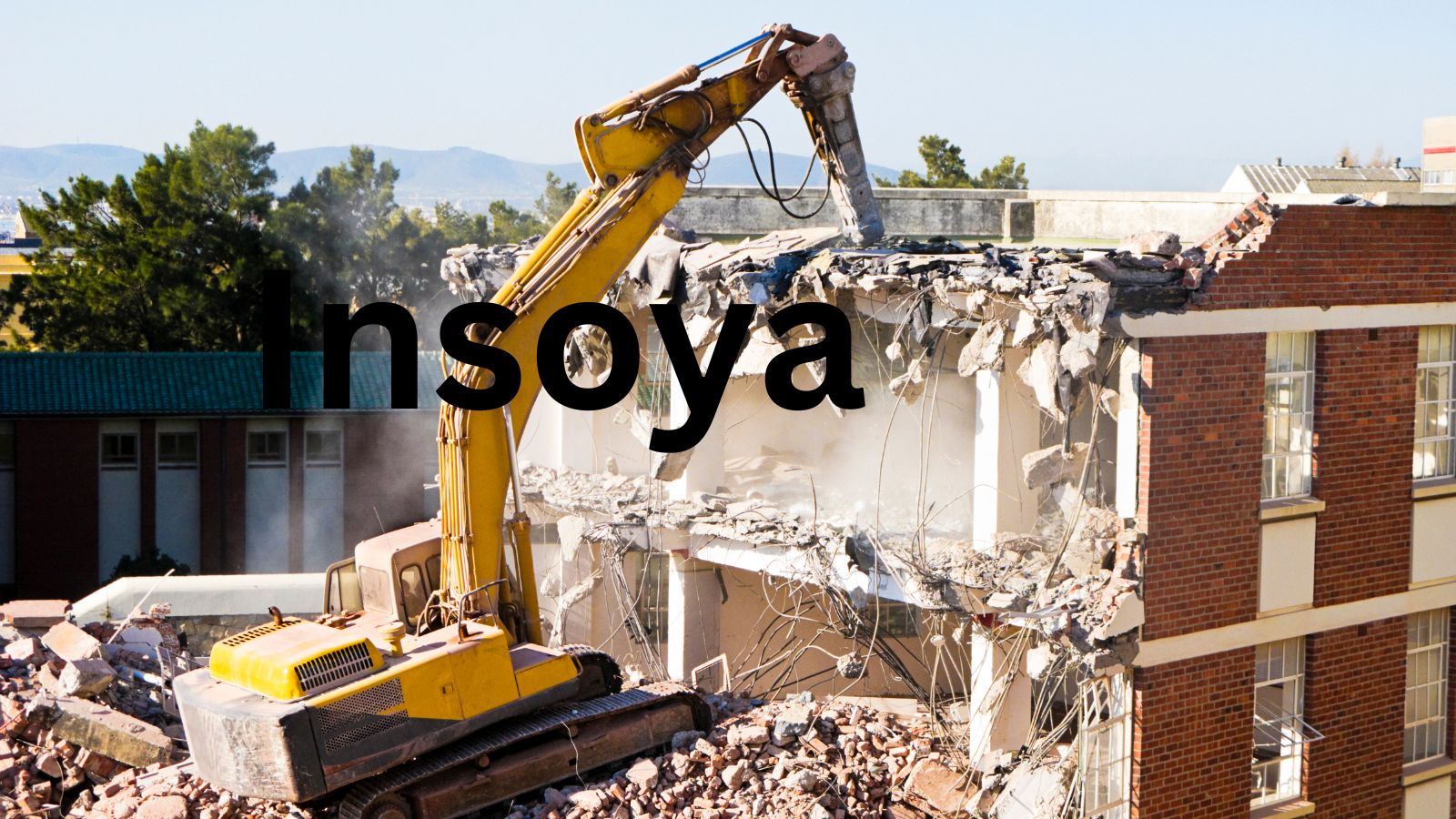
Demolition charges in the US typically range from $6 to $25 per square foot, depending on structure size, material type, location, and whether hazardous materials are present. Residential demolitions average $17,000–$45,000, while commercial projects can run into six figures. Permit fees, disposal costs, and contractor selection all significantly affect the final price.
Getting a building torn down sounds straightforward. In practice, it rarely is. Demolition charges vary wildly based on dozens of factors—and homeowners or project managers who don’t understand how pricing works often get hit with unexpected costs that blow their budgets. Whether you’re clearing a small residential structure, knocking down a commercial building, or planning a partial interior demolition, understanding how demolition charges are calculated is the first step toward a project that stays on time and on budget.
This guide covers everything you need to know: types of demolition, how contractors calculate charges, the difference between residential and commercial pricing, permit requirements, safety obligations, and what a professional hiring process actually looks like. By the end, you’ll be equipped to approach any demolition project with clarity and confidence.
What Are Demolition Charges and What Do They Cover?
Demolition charges refer to the total costs associated with dismantling, removing, and disposing of a structure or portion of a structure. The charge isn’t simply for swinging a wrecking ball—it encompasses labor, equipment rental, disposal fees, hazardous material handling, and site cleanup.
Most contractors break demolition charges into these core components:
- Labor costs: The crew required to safely perform the demolition
- Equipment fees: Excavators, bulldozers, skid steers, and other machinery
- Debris removal and hauling: Transporting waste to approved disposal or recycling facilities
- Hazardous material abatement: Asbestos, lead paint, or mold remediation prior to demolition
- Permit and inspection fees: Local government charges for demolition permits
- Site preparation and cleanup: Grading, dust suppression, and final site clearance
Understanding each component helps you evaluate contractor quotes with far greater accuracy—and pushes back against any line items that seem inflated or unexplained.
What Are the Main Types of Demolition?
Demolition is not a single, uniform process. The type of demolition required determines both the method and the cost structure.
Full Structure Demolition
Full demolition involves the complete removal of a building down to its foundation. This is the most common type for residential teardowns and site clearing projects. Full structure demolition is typically priced per square foot, with national averages ranging from $6 to $25 per square foot, depending on structure size, materials, and regional labor rates.
Selective or Partial Demolition
Selective demolition targets specific sections of a structure—a single room, a wall, a floor, or a staircase—while preserving the rest of the building. Interior remodeling projects frequently require selective demolition. Costs are harder to standardize but generally fall between $500 and $15,000 depending on scope and complexity.
Deconstruction
Deconstruction is a labor-intensive, material-salvaging alternative to traditional demolition. Workers carefully dismantle the structure piece by piece to recover reusable materials—lumber, fixtures, doors, windows—for resale or donation. Deconstruction typically costs 10–25% more than standard demolition, but recovered material values and potential tax deductions can offset that premium significantly.
Mechanical Demolition
Mechanical demolition uses heavy equipment—excavators, bulldozers, cranes—to bring down a structure rapidly. This is the most cost-efficient method for large structures where precision isn’t critical and speed is the priority.
Implosion
Implosion (or controlled demolition using explosives) is reserved for large commercial or industrial structures in dense urban environments. This method requires specialist contractors, extensive safety planning, and regulatory compliance at multiple levels. Implosion projects can cost anywhere from $100,000 to several million dollars.
For a broader look at how demolition fits into smarter building and urban renewal strategies, read Smarter Ways to Tear Down and Build Back Up on JayTechDigital.
How Are Demolition Charges Calculated?
No two demolition jobs are identical, which is why pricing requires a detailed site assessment. That said, contractors apply a consistent framework when building a quote.
Size and Square Footage
The single biggest driver of demolition cost is structure size. Most contractors start with a per-square-foot rate and adjust from there. A 1,200 sq ft single-story home costs considerably less to demolish than a 3,500 sq ft two-story structure, even within the same zip code.
Construction Materials
Materials dramatically affect both labor hours and disposal costs:
- Wood-frame structures are the least expensive to demolish and generate recyclable materials
- Brick and masonry require more equipment and produce heavy debris
- Concrete structures demand specialized cutting equipment and generate significant disposal weight
- Steel-framed buildings often carry higher equipment costs but yield valuable scrap metal
Hazardous Material Abatement
Structures built before 1980 frequently contain asbestos-containing materials (ACMs) or lead-based paint. Under federal regulations enforced by the Environmental Protection Agency (EPA), hazardous materials must be professionally identified, removed, and disposed of before demolition begins. Asbestos abatement alone can add $1,500 to $30,000 to project costs, depending on the extent of contamination.
Location and Accessibility
Urban job sites with limited equipment access, restricted working hours, or neighbors requiring protective barriers cost more than open rural sites. Regional labor costs also vary significantly—demolition charges in New York City will look nothing like comparable projects in rural Tennessee.
Debris Disposal and Recycling
Landfill tipping fees and haul distances factor into every contractor’s quote. Responsible contractors separate recyclable materials—metal, concrete, clean wood—to reduce disposal costs and environmental impact. Some recyclers even pay for recovered materials, which can offset your total demolition charge.
Residential vs. Commercial Demolition Charges: What’s the Difference?
The distinction between residential and commercial demolition isn’t just about scale. It affects pricing structure, permit requirements, timeline, and contractor selection.
Residential Demolition Costs
Residential demolition charges typically cover single-family homes, garages, sheds, and small multi-unit dwellings. National average costs break down roughly as follows:
- Garage demolition: $1,200–$5,000
- Small home (under 1,000 sq ft): $6,000–$25,000
- Standard single-family home (1,000–2,500 sq ft): $17,000–$45,000
- Large home (2,500+ sq ft): $45,000–$80,000+
Residential projects move faster and carry simpler permit structures in most jurisdictions.
Commercial Demolition Costs
Commercial demolition is considerably more complex. Larger structures, more robust construction materials, greater hazardous material exposure, and stricter regulatory oversight all push costs higher. Commercial demolition charges typically range from $4 to $8 per square foot for basic structures, but can escalate dramatically for reinforced concrete buildings, industrial facilities, or projects requiring implosion.
Commercial projects also require more extensive pre-demolition surveys, environmental impact assessments, and stakeholder coordination—all of which contribute to overhead costs that filter into the final charge.
What Permits Are Required for Demolition Projects?
Demolition without proper permits exposes property owners to fines, legal liability, and project delays. Permit requirements vary by municipality, but most jurisdictions require the following before work begins:
- Demolition permit: Issued by the local building department; fees typically range from $200 to $10,000 depending on structure size and location
- Environmental clearance: Required when hazardous materials are involved; usually issued after an abatement inspection
- Utility disconnect verification: Gas, water, electricity, and sewer must be officially disconnected before demolition proceeds
- Neighbor notification: Some localities require written notice to adjacent property owners
- Tree removal permits: If demolition involves removing protected trees, a separate permit may be necessary
Skipping permits is never worth the risk. Unpermitted demolition can result in stop-work orders, mandatory restoration requirements, and difficulty selling the cleared property afterward.
Safety Considerations in Demolition Projects
Demolition is consistently ranked among the most hazardous activities in the construction industry. According to the Occupational Safety and Health Administration (OSHA), demolition fatalities account for a disproportionate share of construction-related deaths annually. Reputable contractors follow strict safety protocols to protect workers, neighbors, and the environment.
Key safety requirements include:
- Pre-demolition engineering surveys: Structural assessments to identify collapse risks
- Utility identification and disconnection: All live utilities must be de-energized and confirmed off before any work begins
- Hazardous material remediation: Asbestos, lead, and other ACMs must be removed under controlled conditions by licensed abatement professionals
- Perimeter controls: Fencing, barriers, and dust suppression measures protect adjacent properties and pedestrians
- Personal protective equipment (PPE): Hard hats, respirators, safety harnesses, and high-visibility gear are non-negotiable on any legitimate job site
- Debris management planning: Controlled sequencing of demolition prevents unexpected structural collapses
When evaluating contractors, ask directly about their safety record, OSHA compliance history, and insurance coverage. A contractor unwilling to discuss these topics in detail is a contractor worth avoiding.
What to Expect When Hiring a Demolition Contractor
The hiring process matters as much as the price. Choosing the wrong contractor based on the lowest bid is one of the most costly mistakes a property owner can make.
Step 1: Get Multiple Detailed Quotes
Request itemized quotes from at least three licensed contractors. Each quote should separately list labor, equipment, disposal, permit fees, and hazardous material handling. Vague lump-sum bids make it impossible to compare contractors fairly or identify hidden costs.
Step 2: Verify Licensing and Insurance
Confirm that any contractor you’re considering holds a valid contractor’s license in your state and carries both general liability insurance and workers’ compensation coverage. If a worker is injured on your property and the contractor lacks workers’ comp, you may face legal exposure.
Step 3: Check References and Past Projects
Ask for references from recent, similar-scale projects. A contractor experienced in residential wood-frame demolition may not be the right fit for a reinforced concrete commercial teardown. Match the contractor’s experience to your project type.
Step 4: Review the Contract Carefully
A solid demolition contract should specify:
- Project scope and boundaries
- Start and completion dates
- Payment schedule and total cost
- Permit responsibilities (who pulls them)
- Debris disposal method and destination
- Procedures for handling unexpected hazardous materials discovered during demolition
Step 5: Confirm Post-Demolition Site Conditions
Clarify exactly what the site will look like when the contractor’s work is complete. Will the foundation be removed or left in place? Will the site be graded? Is final debris clearance included in the quoted price? These details—often glossed over in initial conversations—can generate significant additional charges if left undefined.
For more resources on construction, renovation, and property development topics, browse the full JayTechDigital blog archive.
How to Reduce Your Total Demolition Charges
Cost control in demolition doesn’t require cutting corners—it requires strategic planning.
- Schedule off-peak: Contractors in low-demand periods may offer better rates
- Bundle with new construction: Contractors handling both demolition and new build work often offer package pricing
- Salvage valuable materials: Sell or donate fixtures, lumber, and metal before demolition begins; some items can be auctioned for significant returns
- Choose deconstruction for older homes: Older wood-frame homes often contain high-quality old-growth lumber that commands a premium in the salvage market
- Get the permits yourself: In some jurisdictions, owner-pulled permits cost less than contractor-pulled permits, though this approach adds administrative responsibility
Making Smart Demolition Decisions
Demolition charges are not arbitrary. Every dollar in a well-constructed quote connects to a real cost—labor, equipment, disposal, compliance, or safety. Property owners who understand the pricing framework make better decisions: they hire better contractors, ask better questions, and avoid the expensive surprises that derail projects.
The broader lesson is that demolition—done right—is an act of precision, not just destruction. From residential teardowns to large-scale commercial clearing, the projects that succeed are the ones led by informed clients working with skilled, licensed professionals who treat safety and compliance as baseline requirements, not optional add-ons. For additional reading on responsible demolition practices and urban renewal strategies, the team at OSHA’s Construction eTool for Demolition provides comprehensive regulatory guidance worth bookmarking before your project begins.
Frequently Asked Questions About Demolition Charges
How much does it cost to demolish a house in the US?
Residential house demolition in the US costs between $17,000 and $45,000 on average for a standard single-family home. Smaller structures like garages run $1,200–$5,000, while large homes exceeding 2,500 square feet can cost $80,000 or more. Final pricing depends on location, construction materials, hazardous material presence, and site accessibility.
What factors increase demolition charges the most?
The factors that most significantly increase demolition charges are hazardous material abatement (particularly asbestos removal), urban location with restricted site access, reinforced concrete or masonry construction, large structure size, and complex permit requirements. Any one of these can add thousands of dollars to a baseline quote.
Do I need a permit to demolish a building?
Yes. Nearly every municipality in the US requires a demolition permit before work begins. Permit fees range from $200 to $10,000 depending on jurisdiction and project size. Additional permits may be required for utility disconnection, hazardous material remediation, and tree removal.
What is the difference between full demolition and selective demolition?
Full demolition removes an entire structure down to its foundation. Selective (or partial) demolition removes only specific sections—a wall, room, or floor—while the rest of the structure remains intact. Full demolition is typically priced per square foot, while selective demolition is quoted based on scope, labor hours, and material complexity.
Is deconstruction cheaper than standard demolition?
Deconstruction costs 10–25% more upfront than mechanical demolition because it is more labor-intensive. However, salvaged materials can be sold or donated for tax deductions, and some jurisdictions offer incentives for deconstruction over landfill-bound demolition. For older homes with quality lumber and fixtures, deconstruction often delivers a better net cost outcome.
How long does a residential demolition project take?
Most residential demolitions take between one and five days for the physical teardown, depending on structure size and method. However, the full project timeline—including permits, utility disconnections, hazardous material surveys, and site cleanup—typically spans two to six weeks from initial planning to project completion.
What should I ask a demolition contractor before signing a contract?
Key questions to ask include: Are you licensed and insured? Who pulls the permits? How do you handle unexpected hazardous materials? What does the quote include for disposal? What will the site look like when work is complete? What is your OSHA compliance record? A reputable contractor will answer all of these without hesitation.